
What is Social Change?
Social change refers to the transformation of culture, behavior, social institutions, and social structure over time. In looking at all of these societies, we have seen how they differ in such dimensions as size, technology, economy, inequality, and gender roles. In short, we have seen some of the ways in which societies change over time. Another way of saying this is that we have seen some of the ways in which societies change as they become more modern. To understand social change, then, we need to begin to understand what it means for a society to become more modern.
Why should we care?
These changes and transformations are not necessarily good or bad, but they are profound. On the surface, we may not notice social change; it can take years — even centuries — of action to cause one change. As students and members of a rapidly changing society, it’s important to look back on social changes of the past and how they’ve influenced us now. For instance, at one point, women were not able to study at university. Today, both men and women, of all races, religions, nationalities, and creeds, can study — even online and tuition-free, like at University of the People. This is why social change is important. Without social change, we cannot progress as a society.
Explanations of Social Change
These changes and transformations are not necessarily good or bad, but they are profound. On the surface, we may not notice social change; it can take years — even centuries — of action to cause one change. As students and members of a rapidly changing society, it’s important to look back on social changes of the past and how they’ve influenced us now. For instance, at one point, women were not able to study at university. Today, both men and women, of all races, religions, nationalities, and creeds, can study — even online and tuition-free, like at University of the People. This is why social change is important. Without social change, we cannot progress as a society.
1. Natural Environment
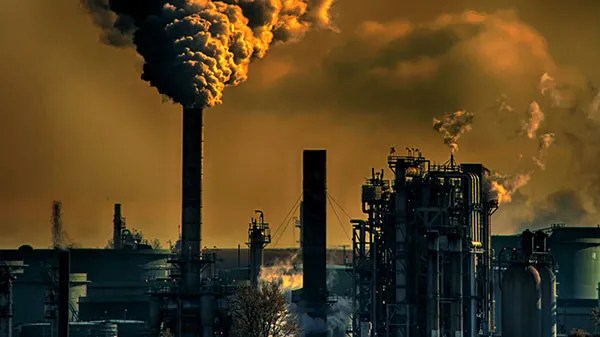
One explanation of social change is the natural environment. If there is a change in the environment (which can sometimes be caused by humans, like pollution), then this can lead to pandemics, poverty, famine, etc., which can inspire changes in a society to deal with these problems.
2. Demographic Processes
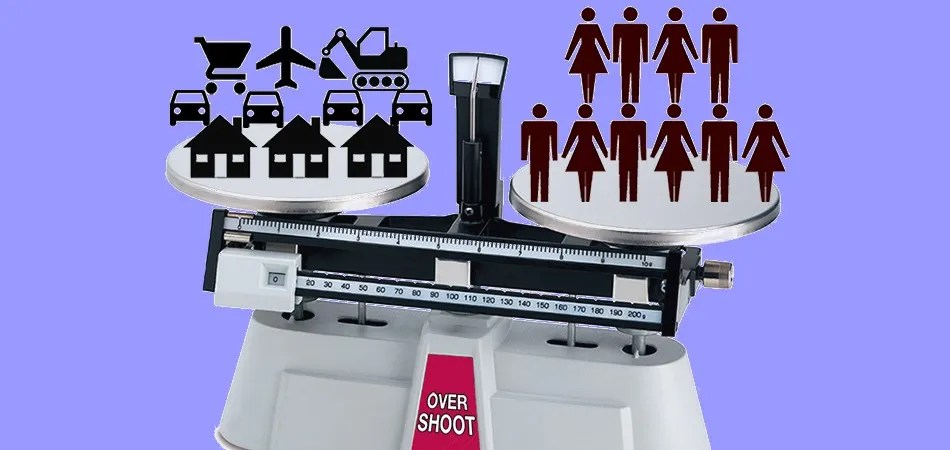
Population growth can be spurred by social changes in place to allow people to grow. This growth can lead to an expansion of society, which can lead to technological innovations, which leads to even more social change. One example of this is the industrial revolution. However, at the same time, population growth can also lead to negative changes and disparities among populations, as we see in underdeveloped countries today.
3. Technological Innovations
Technological innovations — which can be inspired by population growth as well as a way of dealing with environmental changes or a way to simply demonstrate new ideas — is another explanation of social change. It’s believed to be one of the biggest influences on social change there is. For example, think about how the internet has changed society as we know it.

4. Economic Processes
There have been many theories about how economic processes serve as an explanation of social change, and oftentimes, technological innovations can lead to changes in economics, as well. Throughout history, we’ve had different ways of organizing an economy — for instance, division in labor, currency and trade, property relations, industrialization, and economic systems like capitalism and communism.

5. Political Processes
The way we vote, elect our leaders, create rules and laws, and fight those rules and laws, is an example of social change. This can encompass violence, revolutions, and international relations. Brexit, as well as what led up to it, may be a good recent example of a social change based on political processes.

6. Social Movements
Social movements are another important example of social change, and one that may be most prevalent in our lives. This usually takes a leader or group of people who are able to inspire change, whether that’s good or bad. For example, Hitler no doubt spurred a social change, as did Martin Luther King, Jr. Today, with technology and social media, nearly anyone can start a movement, and it has helped create changes that much quicker.
Why is Social Change important?
A change in cultures, structure and societal institutions will often result in social change. It is considered very important because of the following reasons.
1. Social change will result in improving the rights of workers
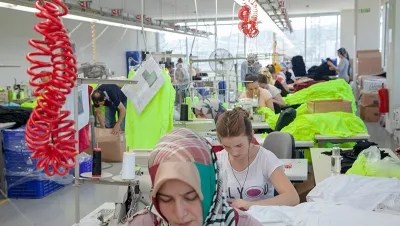
Labours and employees have been exploited since time immemorial. Human greed is an important factor that has urged the worker class to fight for themselves. Social change is very important as it can improve the rights of every single worker. It is the concept of social change in society and its structure that has given rise to child labour laws, minimum wage laws, the birth of unions, providing medicals, legal protection and higher wages.
2. Social change may result in environmental well-being
Human beings are the main culprit in spoiling the environment and damaging land, air and water. This is a cycle where the damage has ultimately proved harmful for the humans, the community and the society we live in. The importance of social change is that people are becoming aware of their mistakes and are taking initiatives to support earth-friendly movements for instance The Green Revolution and support for the endangered species. Spreading awareness and encouraging responsibility and ownership will result in environmental well-being for the long term.

3. Social changes will empower citizens
Social changes tackle the root of the problem and try to remove long term inefficiencies and inequality in society. It encourages individuals to take a stand against things they find wrong and work with other people to remove them from society. Social change is important as it can empower citizens so that they can make life better for future generations.

Conclusion
Social change is structured and the processes of change are interconnected. It may occur on different levels and its impact can be felt on both the long and short term. Many socialists concur on the point that social movements have a vital role to play in bringing about a social change within a society.
 Site Title